Contents:
- Overview: What a Successful Energy Reduction Plan Looks Like
- What You’ll Need Before Starting
- Numbered Steps With Details
- Step 1: Get a Professional or Utility-Sponsored Energy Audit
- Step 2: Switch to LED Lighting
- Step 3: Optimize HVAC Scheduling
- Step 4: Address Refrigeration Load
- Step 5: Apply for Rebates and Incentives
- Expert Insight
- A Real Example
- Regional Differences to Consider
- Common Mistakes to Avoid
- Frequently Asked Questions
- How much can a small business save on energy costs?
- Are energy audits free for businesses?
- What’s the fastest payback energy upgrade?
- Do energy efficiency upgrades increase property value?
- Next Steps
Here’s a myth worth retiring: cutting business energy use does not require a solar installation or a six-figure overhaul. Most savings come from smaller, cheaper changes owners overlook entirely.
Overview: What a Successful Energy Reduction Plan Looks Like
A realistic goal for most small and mid-size businesses is a 15% to 25% cost reduction within twelve months, through a mix of behavioral changes, equipment upgrades, and utility program participation, without a large capital outlay upfront.
What You’ll Need Before Starting
- Twelve months of past utility bills to establish a baseline
- A walkthrough energy audit, DIY or through your utility provider
- A list of your highest-energy equipment: HVAC, refrigeration, lighting, machinery
Numbered Steps With Details
Step 1: Get a Professional or Utility-Sponsored Energy Audit
Many utility companies offer free or heavily subsidized audits for commercial customers. These identify your biggest waste sources, often surprising owners who assumed lighting was the main culprit when aging HVAC systems are the real drain.
Step 2: Switch to LED Lighting
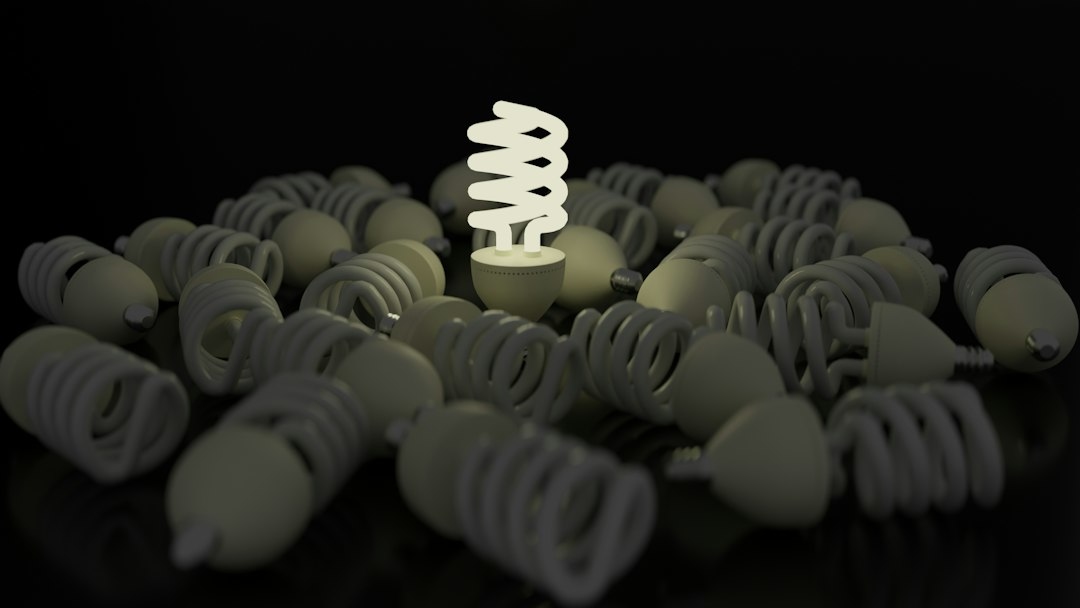
LED retrofits typically cost $3,000 to $8,000 for a mid-size facility but cut lighting energy use by 60% to 75%, usually paying for themselves within eighteen to thirty months.
Step 3: Optimize HVAC Scheduling
Smart thermostats, costing $150 to $300 per unit, adjust heating and cooling automatically for off-hours and seasonal shifts. Businesses report 10% to 15% HVAC savings from proper scheduling alone, no equipment replacement needed.
Step 4: Address Refrigeration Load
Restaurants and grocers should check refrigeration seals and coil cleanliness quarterly; dirty coils can raise energy draw by 20% or more. Running equipment off-peak also cuts demand charges.
Step 5: Apply for Rebates and Incentives
Most regional utilities offer rebate programs for LED conversions and HVAC upgrades. These commonly cover 20% to 50% of upgrade costs and go underused simply because owners don’t know they exist.
Expert Insight
“The biggest energy waste I see is equipment left running overnight out of habit, not necessity. A simple shutdown checklist saves more than most owners expect,” says Renee Castellano, a certified energy manager who consults with retail and restaurant clients across the Midwest.
A Real Example
A print shop owner in Pennsylvania cut her monthly electric bill from $1,850 to $1,340 within four months, combining an LED retrofit, a smart thermostat, and a strict end-of-day shutdown routine for her presses, a change her staff initially resisted before seeing the bill drop.
Regional Differences to Consider
Northeast businesses face some of the highest per-kilowatt-hour rates nationally, so efficiency upgrades pay back faster there. Southern businesses often see cooling dominate their energy bill due to extended hot seasons, making HVAC efficiency the top priority. West Coast businesses, particularly in California, benefit from some of the most generous state rebate programs for efficiency upgrades in the country.
Common Mistakes to Avoid
Owners often chase big, visible upgrades like solar panels before fixing cheaper, higher-impact issues like air leaks and outdated lighting. Another mistake is skipping staff buy-in; shutdown routines fail without support from the people running the machines daily.
Frequently Asked Questions
How much can a small business save on energy costs?
Most businesses achieve 15% to 25% savings within a year through combined behavioral and equipment changes, without major capital outlay.
Are energy audits free for businesses?
Many utility companies offer free or subsidized audits for commercial accounts; check with your provider since programs vary by region.
What’s the fastest payback energy upgrade?
LED retrofits and programmable thermostats typically offer the fastest payback, often under two years.
Do energy efficiency upgrades increase property value?
Yes, commercial properties with documented upgrades often command higher resale and lease values due to lower ongoing operating costs.
Next Steps
Start with a free utility audit this month, then prioritize the two or three highest-impact, lowest-cost fixes it identifies before larger capital projects.