Contents:
- Short Answer
- Context: Why This Cycle Exists
- The Four Phases of the Business Cycle Explained
- Expansion
- Peak
- Contraction
- Trough
- Business Cycle vs Recession: A Common Mix-Up
- Real Examples From Recent History
- Regional Differences in How the Cycle Plays Out
- The Sustainability Angle
- Frequently Asked Questions
- How long does a typical business cycle last?
- Can the government influence the business cycle?
- What’s the difference between a recession and a depression?
- Does every industry experience the business cycle equally?
- Conclusion
Why does the economy feel great one year and shaky the next, even without a single obvious cause? That pattern has a name: the business cycle, a natural rise and fall in economic activity that every economy experiences repeatedly over time.
Short Answer
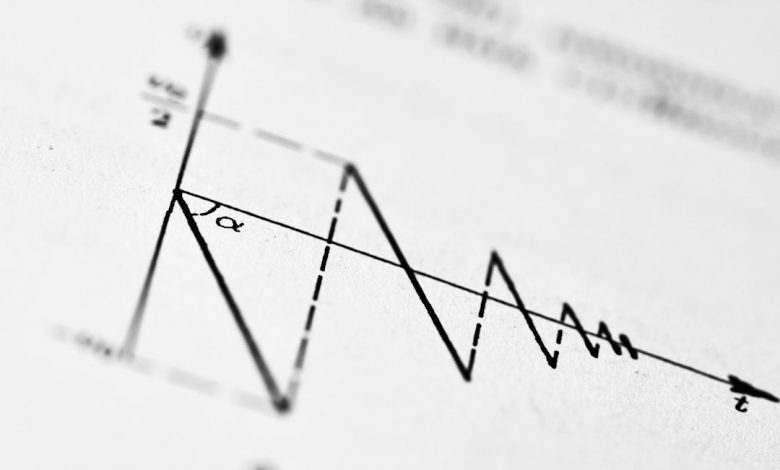
The business cycle refers to the recurring pattern of economic expansion and contraction, made up of four phases: expansion, peak, contraction, and trough. These phases repeat over years, though their length and intensity vary each time.
Context: Why This Cycle Exists
Economies don’t grow in a straight line. Consumer spending, business investment, interest rates, and employment all interact, pushing growth up during good stretches and pulling it down when conditions tighten. The business cycle simply describes that natural rhythm.
The Four Phases of the Business Cycle Explained
Expansion
Employment rises, consumer spending grows, and businesses expand production. This phase can last several years, as seen in the extended growth period through much of the 2010s.
Peak
Growth reaches its highest point before slowing. Prices often climb during this stage, and inflation becomes a common concern for policymakers.
Contraction
Economic activity declines, unemployment rises, and consumer spending pulls back. A contraction lasting six months or longer is typically labeled a recession.
Trough
Activity hits its lowest point before beginning to recover, setting the stage for the next expansion phase to begin.
Business Cycle vs Recession: A Common Mix-Up
A recession is not the same as the business cycle itself; it’s one specific phase within it, the contraction stage when it’s prolonged and severe. The business cycle is the entire repeating pattern, while a recession describes a particular downturn within that pattern.
Real Examples From Recent History
The 2008 financial crisis triggered a sharp contraction phase, followed by a slow, multi-year expansion. The brief but severe 2020 downturn showed how quickly a trough and recovery can happen under unusual economic conditions, compressing phases that normally unfold over years into just months.
Regional Differences in How the Cycle Plays Out
The Northeast, with its concentration of finance and professional services, often feels contractions tied to interest rate changes more acutely. The South, with a more diversified manufacturing and energy base, sometimes experiences milder swings during national downturns. The West Coast, heavily weighted toward tech, tends to see sharper expansions and contractions tied closely to venture funding cycles.
The Sustainability Angle
Some economists now track a “green business cycle,” where renewable energy investment and clean manufacturing jobs behave differently than traditional industrial sectors, often expanding even during broader economic slowdowns due to long-term policy support and falling technology costs.
Frequently Asked Questions
How long does a typical business cycle last?
Historically, cycles have ranged from about 2 to 10 years, though there’s no fixed timeline.
Can the government influence the business cycle?
Yes, through tools like interest rate adjustments and fiscal spending, though it can’t eliminate the cycle entirely.
What’s the difference between a recession and a depression?
A depression is a much longer and more severe contraction than a typical recession, though the terms describe the same phase of the cycle.
Does every industry experience the business cycle equally?
No, some industries like utilities stay relatively stable, while others like construction and manufacturing swing more dramatically.
Conclusion
Understanding the business cycle helps explain why economic conditions shift over time, and recognizing which phase the economy sits in can inform smarter financial and career decisions.