
Contents:
- Quick Answer
- What You’ll Need Before Applying These Lessons
- Lessons 1-5: Mindset and Planning
- A Real Founder Story
- Lessons 6-10: Operations That Scale
- Lessons 11-15: Marketing and Customers
- Lessons 16-20: Sustainability and Longevity
- Common Mistakes Founders Make
- Frequently Asked Questions
- What’s the single most important habit for business success?
- How long does it take to become profitable?
- Do I need investors to succeed?
- Next Steps
There’s a persistent myth that success in business comes from a flawless idea nobody else thought of. It doesn’t. Most profitable founders will tell you their winning idea was the fourth or fifth attempt, refined through failure, not a bolt of genius. Business success is built from repeatable habits, not luck.
Quick Answer
Succeeding in business comes down to disciplined cash management, relentless customer focus, and willingness to adjust quickly. The 20 lessons below, from founders who built profitable companies, cover mindset, operations, marketing, and sustainability.
What You’ll Need Before Applying These Lessons
A clear grasp of your numbers — revenue, margins, and burn rate — plus at least 90 days of runway and a willingness to talk to customers directly. None of the lessons below work without that foundation.
Lessons 1-5: Mindset and Planning
- Start before you’re ready. Waiting for a perfect plan costs more than launching an imperfect one.
- Price for value, not cost-plus. Founders who under-price early struggle to raise prices later.
- Track cash weekly, not monthly. A 30-day lag in visibility has sunk otherwise solid businesses.
- Write a one-page plan. Long business plans rarely survive contact with real customers.
- Set a “stop-loss” number. Decide in advance how much you’ll invest before reassessing.
A Real Founder Story
Dana Reyes launched a small-batch coffee roastery in Austin in 2019 with $4,000 in savings. Her original plan targeted grocery shelf space, but after eight rejections, she pivoted to wholesale accounts with local cafés. By year three, wholesale made up 70% of her $680,000 in annual revenue. “The pivot to cafés is the only reason we’re still open,” she said.
Lessons 6-10: Operations That Scale
- Document every repeatable process so hiring doesn’t break quality.
- Automate invoicing and follow-ups before automating anything else.
- Negotiate supplier terms annually, not just at signup.
- Keep a lean core team and use contractors for seasonal spikes.
- Audit subscriptions and software quarterly to cut waste.
Lessons 11-15: Marketing and Customers
- Talk to 10 customers a month, minimum, even after you’re “successful.”
- Build one channel deeply before spreading thin across five.
- Ask for referrals directly; most customers won’t offer them unprompted.
- Respond to reviews, good and bad, within 48 hours.
- Segment your best 20% of customers and study what makes them different.
Lessons 16-20: Sustainability and Longevity
- Reduce packaging waste; it cuts costs and appeals to buyers who care about sourcing.
- Source locally where the math works, not as a marketing gimmick.
- Build a six-month cash reserve before taking on debt-funded growth.
- Plan your own exit from day one, even if it’s decades away.
- Protect your energy; burned-out founders make expensive mistakes.
Common Mistakes Founders Make
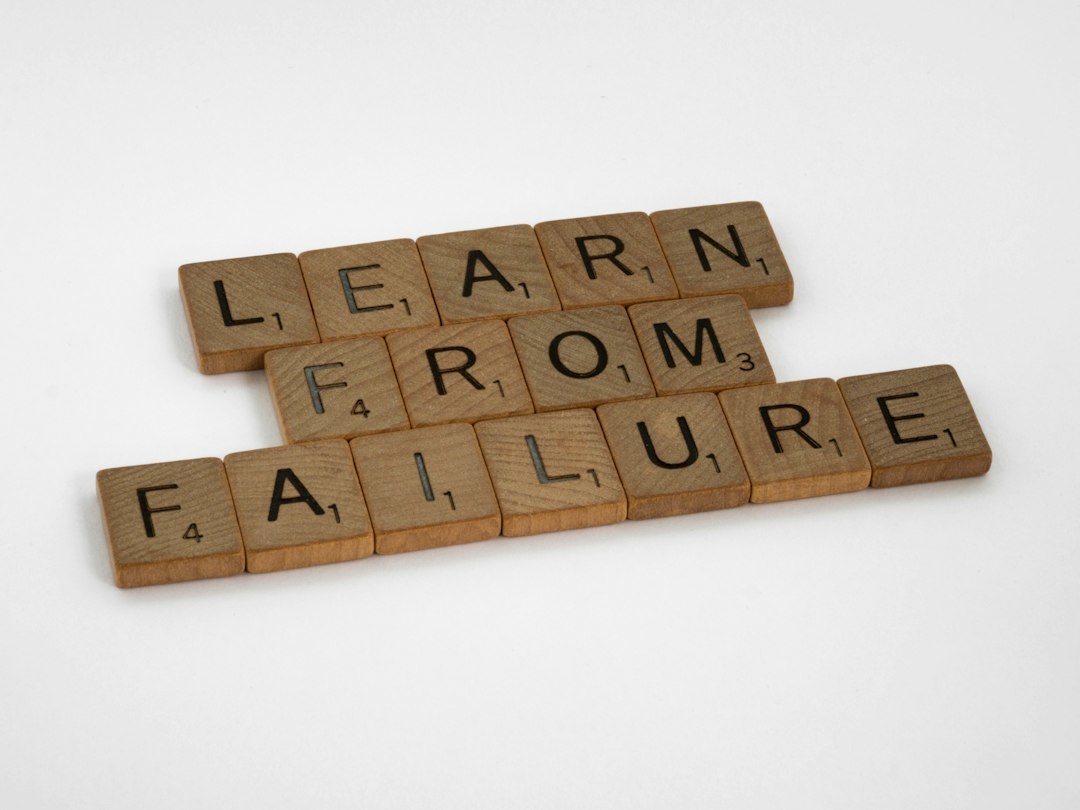
The most frequent error is confusing revenue growth with profitability — a business can double its top line and still run out of cash. Another is hiring too fast after one good month, then facing layoffs when demand normalizes.
Frequently Asked Questions
What’s the single most important habit for business success?
Weekly cash flow review. Founders who track cash weekly catch problems months before those who check monthly.
How long does it take to become profitable?
Most small businesses take 18 to 24 months to reach consistent profitability, though service businesses with low overhead can get there faster.
Do I need investors to succeed?
No. Many profitable companies, including Dana’s roastery, grow on revenue and small loans without outside investors.
Next Steps
Pick three lessons that address your weakest area, whether that’s cash visibility, customer feedback, or waste reduction, and implement them this month before adding more.